
What Indigenous Practices Can Teach Us About Climate Resilience
From the Potato Park in Peru to global climate policy, Indigenous knowledge offers a blueprint for a more resilient future.

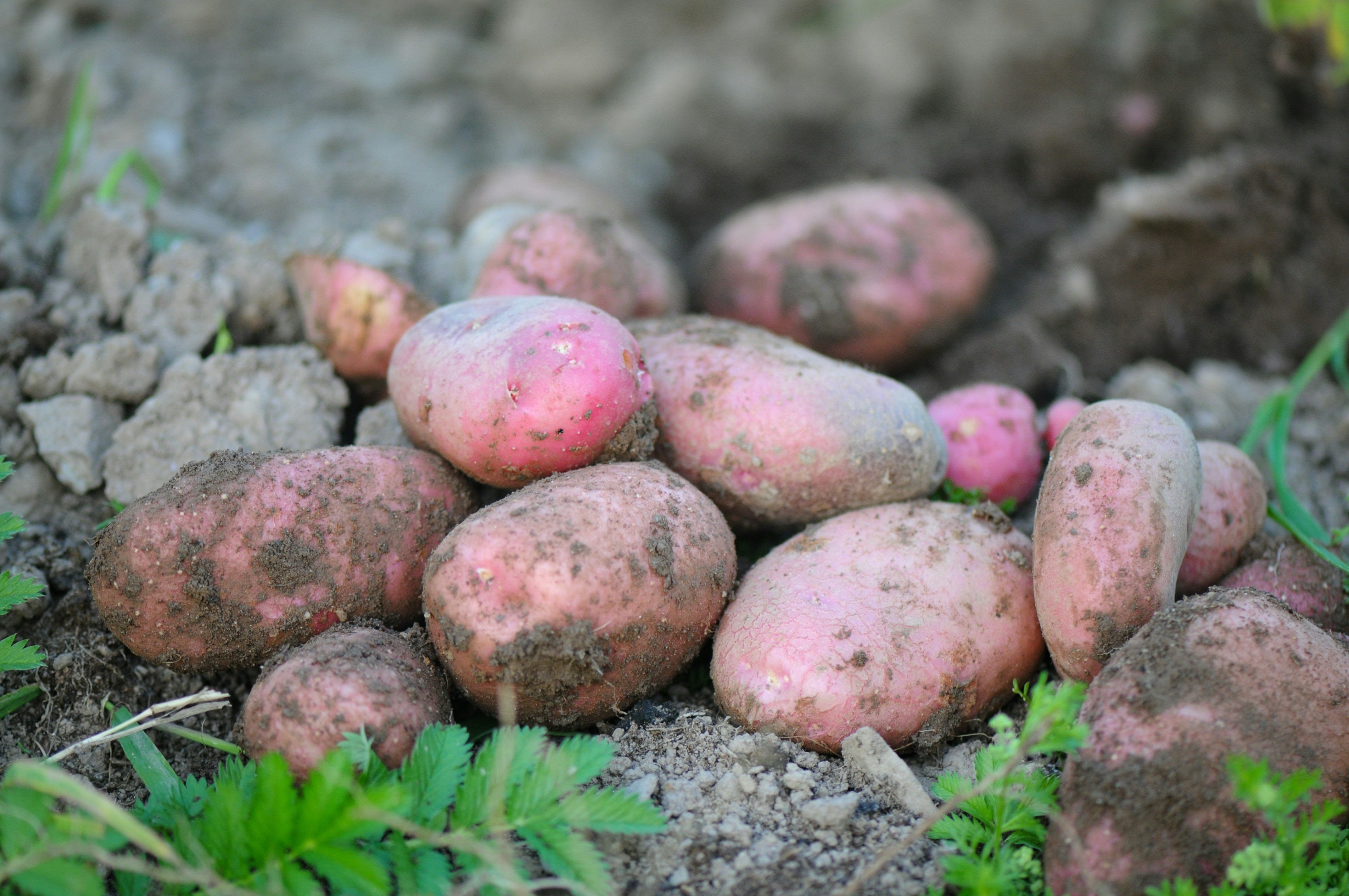
High up in the Peruvian Andes lies a place that might appeal to just about everyone: the Potato Park. It isn’t a national park or a playground—though any place centered around food could arguably be nature’s playground—but a living sanctuary where Indigenous communities protect their cultural heritage and the biodiversity of local food. The Potato Park is made up of five Quechua communities—Paru Paru, Amaru, Sacaca, Pampallacta, and Chawaytire—who use their knowledge to cultivate nearly 1,400 varieties of potato through sustainable, community-led practices, all while maintaining the delicate balance of their ecosystems.
What makes the Potato Park especially compelling is that it isn’t just preserving potatoes—it’s preserving a way of thinking about climate resilience. The Quechua communities’ approach reflects what researchers call ecosystem-based adaptation: using biodiversity, local knowledge, and community governance to respond to environmental change. By cultivating hundreds of potato varieties adapted to different microclimates, farmers reduce the risk of total crop failure from drought, frost, or pests, effectively creating a living insurance system against climate uncertainty. These practices are rooted in participatory decision-making, cultural values, and long-term stewardship of the land, rather than short-term productivity.
The Potato Park offers more than a local success story—it provides a blueprint for broader climate action. Indigenous agricultural systems are not relics of the past, but dynamic and evolving models that integrate ecological diversity, social equity, and local governance into adaptation strategies. Indigenous communities represent less than 10% of the global population, and yet they manage nearly 80% of the Earth’s biologically diverse areas. This imbalance underscores a critical reality: the people most connected to biodiversity are often the least included in decisions about its future. Ignoring Indigenous knowledge in climate policy means overlooking some of the most effective and time-tested solutions available.
This becomes even clearer when contrasted with dominant agricultural systems. Intensive practices like monocropping, heavy chemical use, and large-scale tillage have accelerated environmental damage by polluting waterways, degrading soils, and exhausting natural resources. These extractive systems also release significant greenhouse gases and weaken the land’s ability to retain water and carbon, making farming systems more vulnerable to climate shocks like droughts and floods. In contrast, Indigenous knowledge systems position communities as stewards of the land, embedding cultural values of respect for natural resources, sustainable land use, and biodiversity conservation. These approaches maintain soil fertility, enhance ecological resilience, and reduce risks from climate variability and pests, while also supporting food security and local livelihoods.
Yet despite these proven benefits, Indigenous communities are often underrepresented in national decision-making, even though they are among the most exposed to climate risks due to geographic location, historical marginalization, and limited access to resources. Moving forward, climate policy must shift from simply acknowledging Indigenous communities to meaningfully including their voices and leadership—not only in agricultural practices, but across broader climate policy and governance. Some countries are beginning to take this step.
New Zealand provides a strong example of a country recognizing and integrating Indigenous communities into climate policy. In its national adaptation plan, Māori are treated not simply as stakeholders but as partners and co-governors under the principles of Te Tiriti o Waitangi, giving them a formal role in shaping climate decisions. A key feature of this approach is the creation of Māori-led structures, including a dedicated Māori Climate Platform. This platform enables iwi (tribes) and hapū (sub-tribes/clans) to participate directly in policy design and develop adaptation strategies grounded in mātauranga Māori (Indigenous knowledge), which emphasizes the interconnected relationships between people, land, and ecosystems. The result is a more equitable and effective climate strategy—one that centers Indigenous leadership while strengthening long-term resilience. By supporting Māori-led solutions and protecting cultural assets and ancestral lands, New Zealand’s approach shifts toward co-governance and holistic planning, producing climate policies that are more inclusive, locally grounded, and resilient.
In Kenya, the Gabra Indigenous community’s traditional water governance systems—built on equitable distribution and ecological knowledge—offer a model for addressing drought and water scarcity at a policy level. In Fiji, Indigenous coastal communities have influenced adaptation strategies through hybrid sea walls that combine local materials with mangroves and vetiver grass, demonstrating how nature-based solutions can protect shorelines while supporting ecosystems. Together, these examples show that when Indigenous knowledge and leadership are meaningfully included, climate policies become more locally grounded, sustainable, and effective.
As global climate efforts evolve, there is growing recognition at the international level that Indigenous knowledge and leadership are essential to effective climate action. The Conference of the Parties (COP) under the United Nations Framework Convention on Climate Change has acknowledged this in agreements like the Cancún Agreements and the Paris Agreement, which emphasize respecting Indigenous rights and integrating traditional knowledge into climate policies and adaptation planning. As global climate plans increasingly seek sustainable and inclusive solutions, incorporating Indigenous knowledge systems like those in the Potato Park could shift adaptation from top-down technical fixes toward more holistic, community-driven approaches that strengthen both people and ecosystems.
Resources:
https://parquedelapapa.org/
https://parquedelapapa.org/international-treaty-on-plant-genetic-resources-for-food-and-agriculture/
https://solutions.ecosystemforpeace.org/wp-content/uploads/2024/07/Potato-Park-Peru-project-documentation.pdf
https://unfccc.int/sites/default/files/resource/sbsta2024_01E.pdf
https://theconversation.com/indigenous-knowledge-systems-can-be-useful-tools-in-the-g20s-climate-change-kit-266831
https://www.greenclimate.fund/projects/sustainability-inclusion/ip
https://forestclimateleaders.org/news-and-resources/indigenous-peoples-local-communities/